It's no secret in this day and age: multicloud strategies are becoming the new normal for organizations that utilize public cloud services. In fact, at least 85% of enterprises that have undergone a digital and IT transformation now operate in a multicloud environment — and that number is expected to continue growing.
But while working with multiple cloud providers has several benefits — increased flexibility, protection against vendor lock-in, and a more tailored approach to your business, among others — it's not a risk-free strategy. Enter: cloud sprawl.
Cloud sprawl occurs when an organization fails to properly monitor and manage individual cloud instances. This can result in several issues ranging from poor documentation, insecure and non-compliant environments, lack of expertise or oversight, and unnecessary and costly spending. And for many businesses, going over budget and controlling spend is a critical challenge in the cloud.
What does cloud sprawl look like?
Cloud sprawl may look different depending on your organization, as it can appear in a number of ways. Three common signs of cloud sprawl include:
How can a business manage cloud sprawl?
The first step to managing cloud sprawl is identifying that it's happening. By performing regular company-wide audits of your cloud environment, you may recognize early-warning patterns that display the creeping of cloud sprawl into your business.
Create a centralized cloud strategy and record
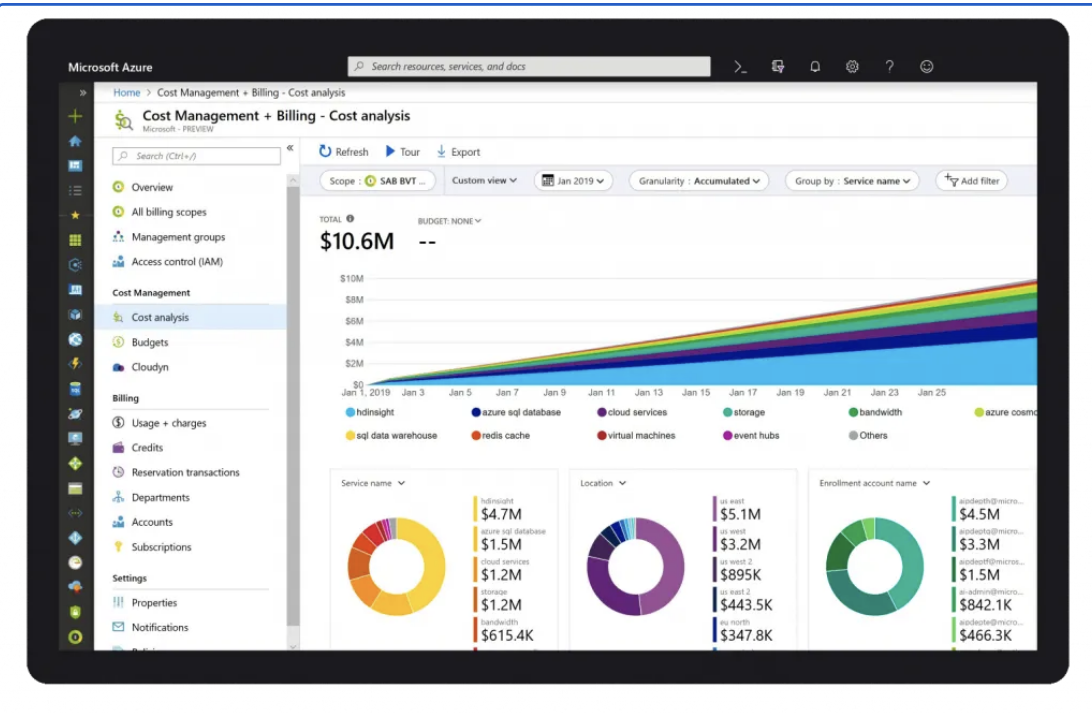
To prevent the proliferation of cloud use and spending across departments, businesses must build a company-wide cloud strategy that includes all stakeholders. The cloud strategy should include policies on using and managing the cloud, migrations, and user controls and access. Automation of the right tools is recommended as part of a holistic strategy to containing potential sprawl. Services such as AWS Control Tower allow administrators to set up proper guardrails. Azure Governance provides tools and services to set up and maintain control with custom policies using Azure Blueprints, Azure Cost Management for monitoring cloud subscriptions, and much more.
Any and all cloud usage or costs should be recorded in a centralized location to prevent silos between departments. This allows everyone to understand how their use of cloud technology fits into the larger picture of the organization and makes clear if duplicate resources are being unnecessarily paid for multiple times by different parts of the business.
Partner with a managed cloud services provider
Constantly monitoring and managing the cloud throughout a business can be a time-consuming and expensive ongoing process. While cloud sprawl can lead to out-of-control spending, the effort required to rein it in may feel even more cumbersome. By working with a cloud management provider, your business can enlist the help of third-party experts to receive insights, tooling, recommendations, and support on how to effectively and affordably deploy a multicloud strategy.
Your cloud environment isn't doomed to sprawl
The good news is cloud sprawl is not an inevitable side effect of implementing a multicloud strategy. With proper planning and strategic cloud adoption and migration practices, it can be avoided from the start. Starting with the right guardrails and following that up with regular audits and diligent monitoring with the proper tooling is foundational. Widespread communication and an overarching cloud strategy within an organization are critical components needed to ensure cloud success. Working with a managed cloud services provider is a further asset in helping your business tackle sprawl and reap the full benefits of a multicloud environment, without burning holes in your budget.
Wrangling multicloud sprawl and cost visibility?
CloudScale Advisory helps cloud, AI, and enterprise technology teams build the governance, cost visibility, and partner strategy needed to run multicloud without the sprawl.
Get in touch View services